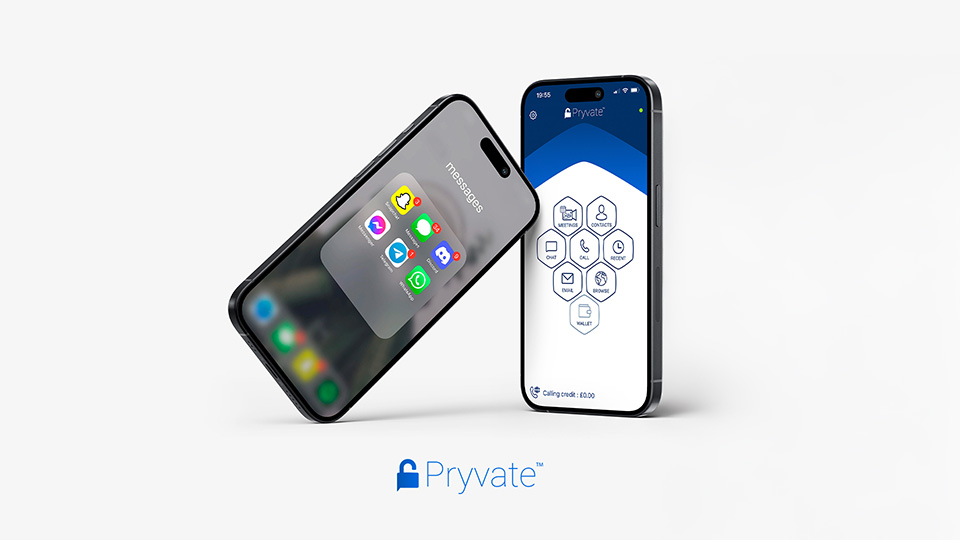
Why Consumer Messaging Apps Fail Professional Security Needs
Consumer messaging apps are widely used because they are convenient, familiar, and often free. Many of them also use strong encryption. However, tools designed for consumer social communication are not always suitable for professional or institutional environments with higher security and privacy requirements.
Different design goals
Consumer messaging apps are typically designed to maximise:
- Ease of onboarding
- Social connectivity
- Cross-device synchronisation
- Engagement and retention
Professional communication tools are designed around different priorities, such as:
- Controlled access and identity management
- Operational privacy
- Predictable behaviour under policy and regulation
- Reduced exposure of sensitive metadata
A system optimised for one set of goals will often make trade-offs that are problematic in the other context.
The role of metadata in professional risk
In professional environments, metadata can reveal:
- Organisational structures
- Communication hierarchies
- Sensitive relationships
- Timing of internal or external operations
Consumer apps often retain or process metadata to support features such as contact discovery, analytics, abuse prevention, or product optimisation. While these practices may be reasonable for social use, they can introduce risk in regulated or high-sensitivity contexts.
Identity and account linkage
Many consumer platforms are designed around persistent user identities tied to:
- Phone numbers
- Personal contact lists
- Social graphs
- Multiple linked services
In professional settings, this level of identity linkage can increase exposure if accounts are compromised, devices are lost, or data is legally or technically accessed.
Compliance and accountability considerations
Professional environments often require:
- Clearer data handling practices
- Defined retention policies
- Predictable system behaviour
- Separation between personal and operational communication
Consumer messaging apps are not typically built to satisfy these requirements, even when they offer encryption.
When consumer apps are sufficient
It is important to note that consumer apps are not inherently insecure. They are often appropriate for:
- Casual personal communication
- Low-risk coordination
- Everyday social interaction
Problems arise when tools designed for social communication are relied upon for sensitive operational use cases they were not intended to support.
Matching tools to context
Choosing a secure communications platform requires understanding not just whether messages are encrypted, but how the system behaves around identity, metadata, and data retention. Professional environments benefit from tools designed with those constraints in mind.
Protect your privacy – take back control of your conversations.
Download Pryvate Messenger, the secure, server-free app that keeps your data where it belongs: with you.